Small changes add up. How bottle-free hydration helps teams track and reduce the plastic they throw away.
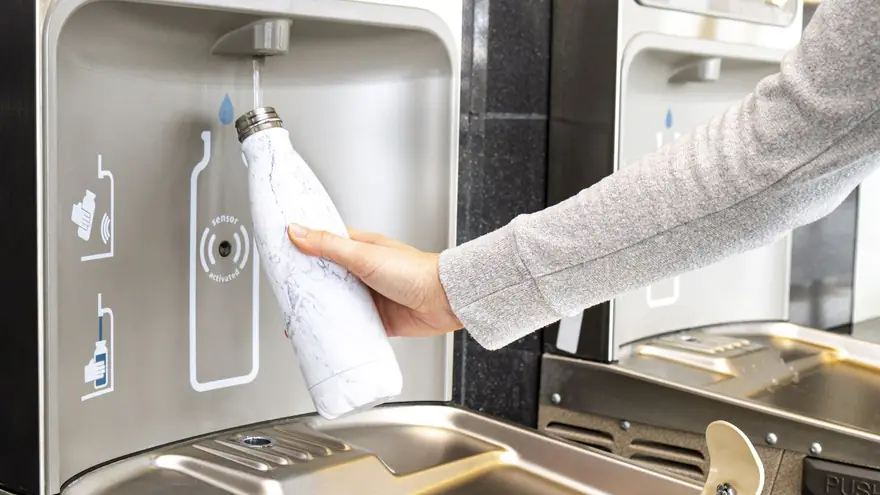
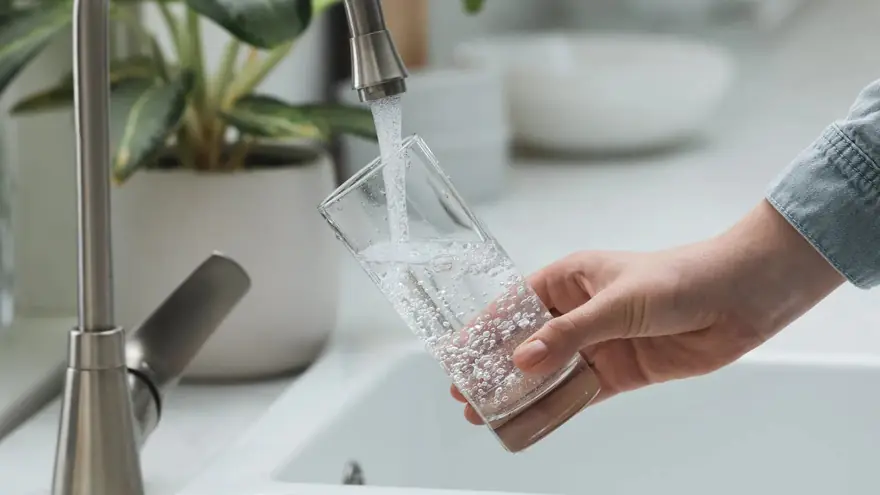
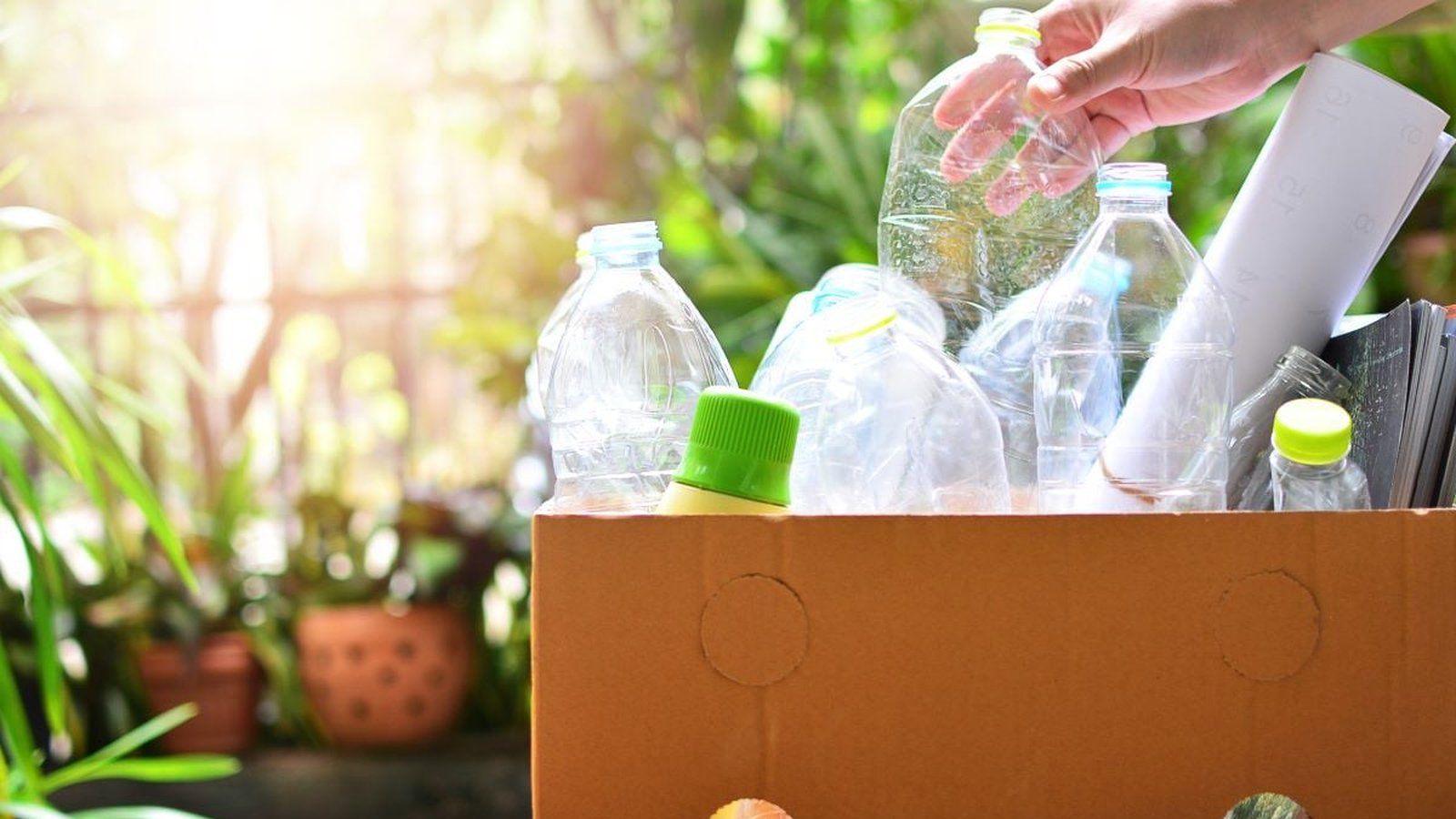
Bottled water and canned drinks are some of the most visible sources of single-use plastic in a workplace. Swapping them for filtered, bottle-free dispensers is a practical first step that people notice every day.
Measure it
Connected dispensers make progress visible. Bevi machines are network-connected for their smart features, and Drop Refill reports to a client dashboard, giving you numbers to share with your team or include in sustainability reporting.
Make the better choice the easy one
Place stations where people already gather, offer reusable bottles, and make sure the water is cold and tastes good. When the refill option is the most convenient one, habits change on their own.
- Put stations in break rooms, gyms and near meeting areas.
- Offer branded reusable bottles at launch.
- Share the plastic-saved numbers regularly.
Start with the drinks people use every day
If you are cutting single-use plastic at work, start by looking at the most routine drink habits in the building. Bottled water and canned drinks often show up in break rooms, meeting areas and fitness spaces because they are easy to grab. That also makes them a visible place to begin. Replacing those purchases with filtered, bottle-free dispensers gives staff and visitors a refill option in the same kinds of spaces where they already expect to get a drink.
This approach also helps turn a sustainability goal into something people can actually see and use. A station in a break room or near meeting areas keeps refilling convenient, while reusable bottles support the change in day-to-day behavior. Cold, good-tasting water matters too, because people are more likely to refill when the experience is simple and consistent. Over time, connected dispensers can help teams see whether the change is being used. Bevi machines are network-connected for their smart features, and Drop Refill reports to a client dashboard so organizations can share progress internally or use the information in sustainability reporting.
Build a simple rollout plan people will actually use
A practical way to begin is to treat hydration like a day-to-day facility service, not a one-time announcement. Start with the places where drink choices are most routine, such as break rooms, meeting areas, gyms, and other shared spaces. That makes it easier to replace bottled water with refill stations in locations people already use, instead of asking them to go out of their way. If the refill option is visible, convenient, and ready to use, it has a better chance of becoming part of normal workplace habits.
It also helps to launch the change with a few simple supports. Reusable bottles give staff a clear alternative to grab-and-go packaged drinks, and regular reminders can keep the shift from fading into the background after the first week. For teams focused on cutting single-use plastic at work, the most useful updates are often the simplest ones: where stations are located, how to use them, and what progress looks like over time. Connected dispensers can support that communication by giving organizations numbers they can share internally or include in sustainability reporting.
For facilities managers, this turns an abstract sustainability goal into something visible in the building. Staff can see the stations, use them during the day, and notice the change in the same spaces where bottled drinks used to appear. That combination of convenience, reusable bottles, and progress tracking helps create a workplace refill culture without adding unnecessary complexity.