Sediment, carbon, osmosis, minerals: a plain-English walk through what each filtration stage does to your water.
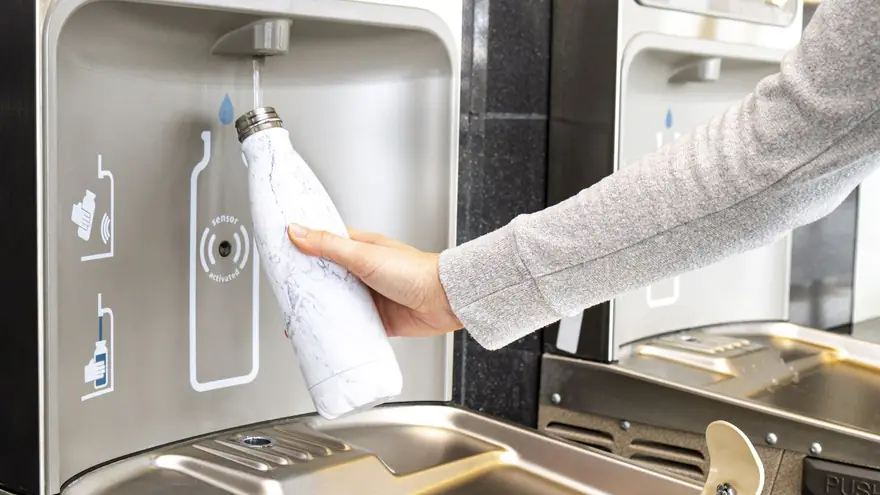
Water systems often advertise a number of purification stages. That number only matters if you know what each stage does. Using the seven-stage FloWater Refill Station as an example, here is what happens between the tap and your bottle.
Removing what you don’t want
The first stages filter out sediment and reduce chlorine, taste and odor with carbon. An Advanced Osmosis membrane then reduces a wide range of dissolved contaminants. FloWater states this can include lead, PFAS and microplastics (verify performance for your specific model).
Adding back what makes water taste good
Highly purified water can taste flat. Later stages add electrolytes and minerals and raise the pH (FloWater states by up to 1.5, depending on your tap water), and activated oxygen helps keep the tanks and lines clean between services.
Why certification details matter
Standards such as NSF/ANSI 42, 53 and 58 cover different things, from taste and odor to health-related contaminants and reverse osmosis. We confirm the current certification documentation for each model with every quote.
Why stage order matters in a refill station
When teams compare systems, the total number of stages can sound like the main story. In practice, sequence matters just as much as count. Early filtration stages protect later ones by removing sediment and reducing chlorine, taste and odor with carbon before water reaches the Advanced Osmosis membrane. That helps explain why water purification stages explained in plain English should focus on the job of each step, not just the headline number.
The membrane stage is where a wide range of dissolved contaminants are reduced, and later steps are there for a different purpose. After heavy purification, follow-on stages adjust taste by adding electrolytes and minerals and raising pH, which FloWater states may be up to 1.5 depending on your tap water. Activated oxygen is then used to help keep tanks and lines clean between services. Looking at the stages in order makes it easier to understand which steps are about reduction, which are about taste, and which support day-to-day operation.
It is also a reminder to review model-specific documentation instead of assuming every seven-stage system works the same way. Certification standards such as NSF/ANSI 42, 53 and 58 cover different functions, and performance should be verified for the specific model being quoted. For any detail not shown in current documentation, the right answer is TBD until the latest manufacturer materials are confirmed.