Learn the science of safe drinking water, what fortified water means, and how to think about hydration, treatment, and water quality in daily use.
Why Safe Drinking Water Matters
The science of safe drinking water starts with a simple idea: water should be suitable for drinking, consistent in quality, and pleasant enough that people will actually choose it throughout the day. For offices, schools, healthcare settings, and shared facilities, that means paying attention to both water treatment and the user experience.
Safe drinking water discussions often focus on contaminants, but day-to-day hydration habits matter too. If water tastes or smells off, people may drink less of it or turn to packaged beverages instead. A practical water plan looks at source water, treatment methods, maintenance needs, refill access, and how people use the water in real settings.
How Treatment Supports Water Quality
Water quality is shaped by many factors, including local source conditions, building plumbing, and the type of treatment used at the point of use or for the whole building. Depending on the setting, organizations may use filtration, reverse osmosis, softening, or a combination of methods to address specific concerns.
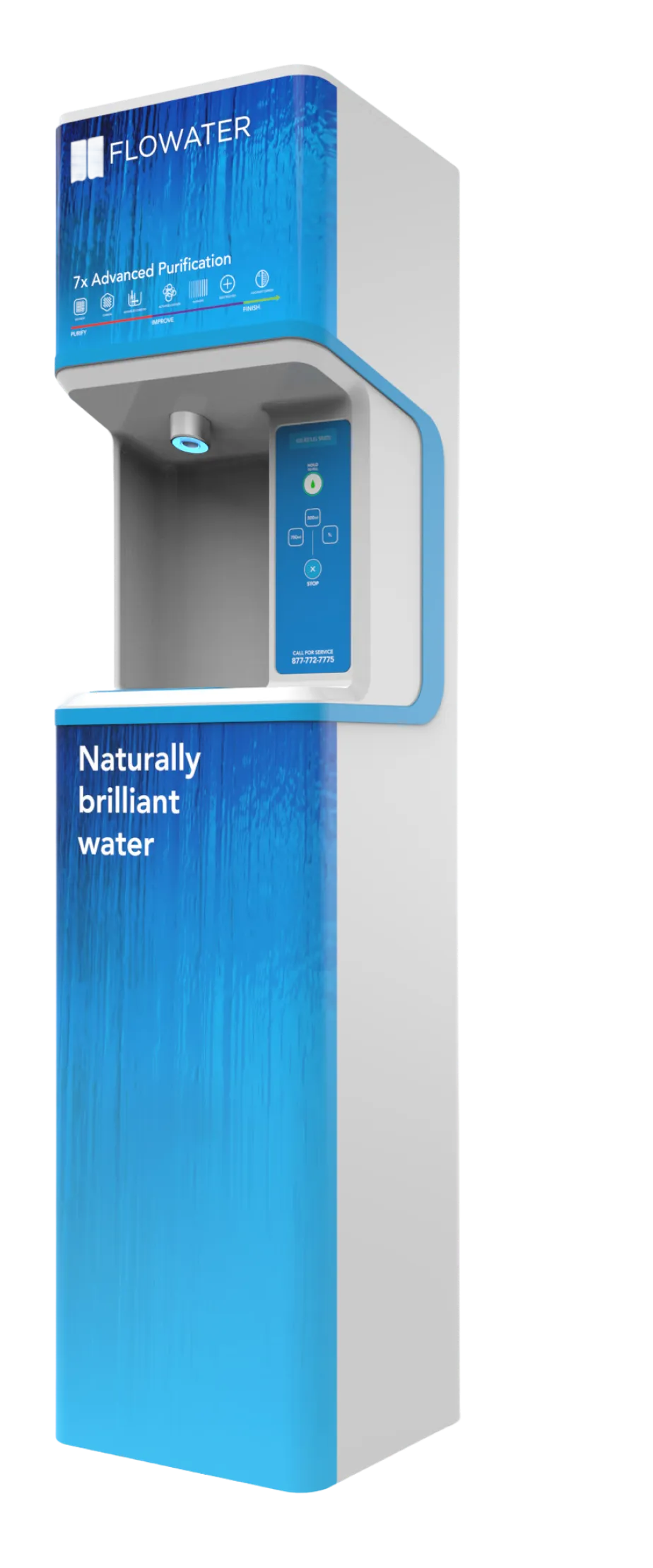
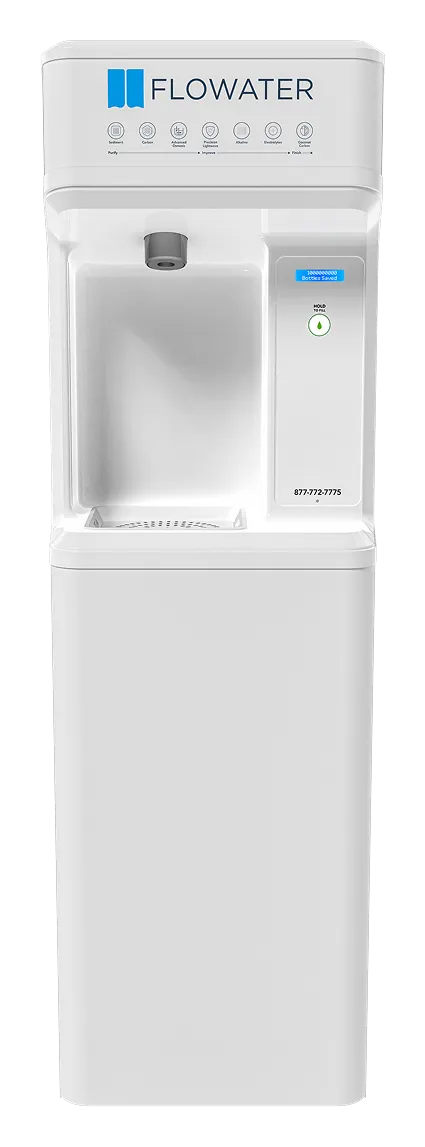
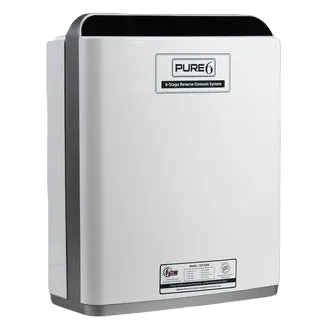
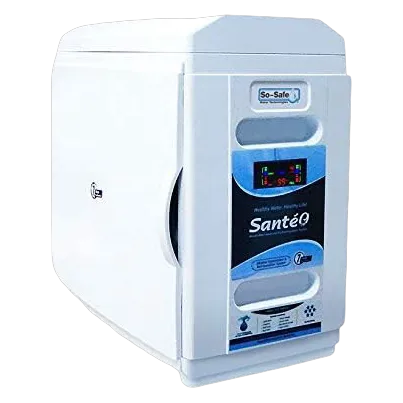
For example, refill stations such as the FloWater Classic Refill Station and FloWater Essential Refill Station are designed for purified water access in shared spaces. In other cases, a facility may evaluate reverse osmosis systems like the Pure6 Reverse Osmosis or Santeo Reverse Osmosis, or broader treatment such as a Whole-House Filtration System, based on site needs.
The right approach depends on the building, the volume required, and the water goals for that location. Because needs vary, treatment decisions should be based on an assessment of the site rather than assumptions.
- Source water and plumbing can affect taste, odor, and consistency.
- Point-of-use systems and building-wide systems solve different problems.
- Maintenance and service are part of water quality, not separate from it.
What Is Fortified Water?
When people ask what is fortified water, they usually mean water that includes added ingredients beyond plain purified or filtered water. Those additions can include flavors or other enhancements, depending on the equipment and beverage program in use.
In workplace and hospitality settings, fortified hydration often refers to giving users more beverage choices from a single dispenser. Equipment such as the Bevi Signature Standup 2.0, Bevi Signature Countertop, and Drop Refill may be part of that conversation, along with options like Bevi Flavors & Enhancements and Drop Water Flavors & Boosts.
The key point is that fortified water and flavored water are product and program choices, while safe drinking water is the foundation. An organization should first make sure everyday drinking water access is reliable and appropriate for the setting, then consider whether added beverage options make sense for its users.
Explaining The Rise Of Functional And Fortified Hydration
Explaining the rise of functional and fortified hydration starts with user behavior. Many organizations want to support wellness, reduce packaged beverage use, and offer options that make hydration more appealing in break rooms, campuses, and common areas.
People also expect more choice than they did in the past. Sparkling options, flavored water, and enhanced beverages have become more common in commercial environments, especially where employers or facility teams want to encourage refill habits. That helps explain why dispensers with multiple beverage options are now part of many water conversations.
Still, more options do not replace the basics. The most practical hydration strategy begins with dependable drinking water, clear maintenance processes, and equipment suited to the number of users and the demands of the site.
- Start with drinking water access.
- Match equipment to the setting and usage.
- Add enhanced beverage options only where they support user needs.
An Overview Of Forever Chemicals
Any overview of forever chemicals should begin with caution and clarity. The term is commonly used to describe a group of persistent chemicals that can remain in the environment for a long time. In water discussions, they are one of several topics organizations may ask about when reviewing treatment needs.
Because water quality questions differ from site to site, it is important not to assume that one concern applies equally everywhere. A facility may be evaluating general filtration, taste and odor issues, hardness, or a broader treatment strategy as part of a water review.
For buyers and facility teams, the practical takeaway is to ask focused questions about water goals, building conditions, and treatment options. A site assessment can help determine what type of equipment or service approach fits the location.
Choosing A Practical Path Forward
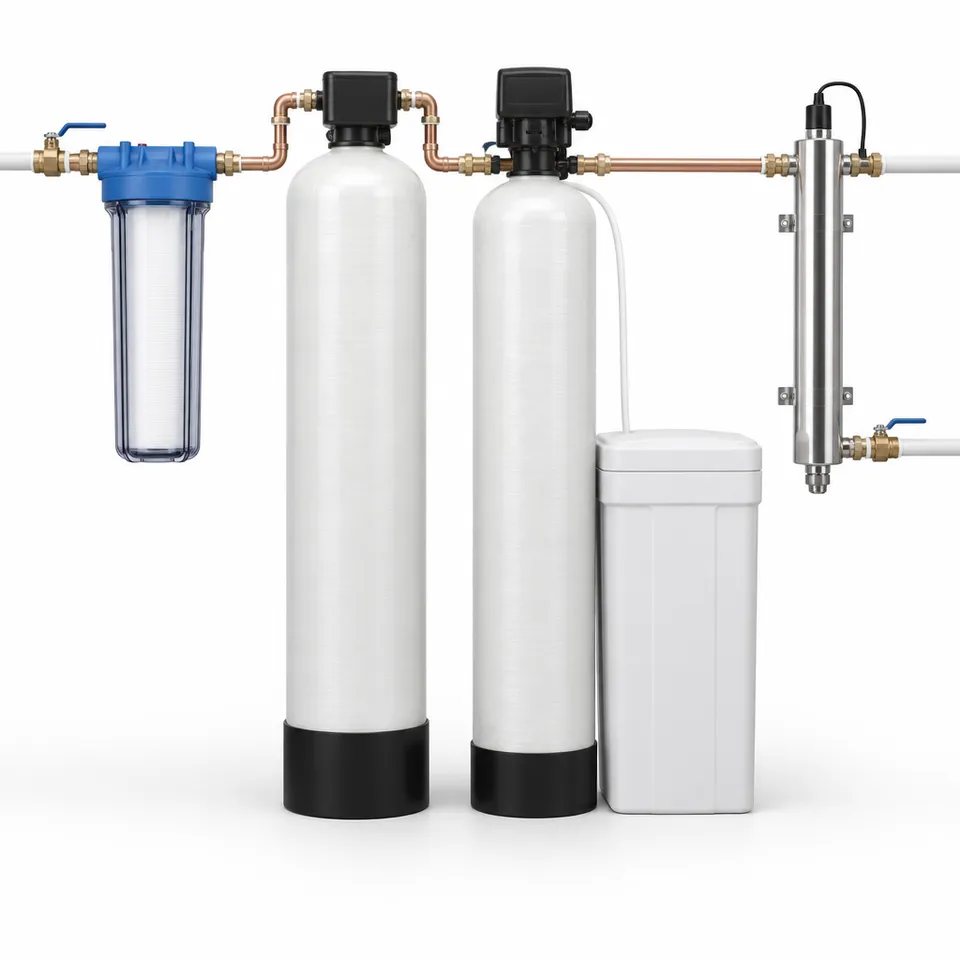
The science of safe drinking water is not just about one device or one trend. It is about building a sensible plan for drinking water access, treatment, upkeep, and user adoption. For some locations, that may mean a purified refill station. For others, it may involve reverse osmosis, building filtration, or beverage dispensers that support higher hydration use.
If you are reviewing water options for an office, school, healthcare site, or commercial facility in Dallas–Fort Worth, the next step is to define your needs clearly. Consider the number of users, refill demand, available space, maintenance expectations, and whether plain water alone or added beverage choices are the priority.
To move forward, you can book an assessment or ask Hunza Water USA for a quote based on your site and goals.